
Types Of Genitourinary Cancer

Thymic Tumors
Thymic tumors are one of the primary types of mediastinal cancer, originating in the thymus, a small gland located behind the breastbone. These tumors can be benign or malignant, and they may present various challenges to those affected.

Lymphomas
Lymphomas are cancers of the lymphatic system, which can manifest in the mediastinum. They often involve lymph nodes and can be classified as Hodgkin's lymphoma or non-Hodgkin's lymphoma, each with its distinct characteristics.

Germ Cell Tumors
Germ cell tumors, although rare, can develop in the mediastinum. These tumors arise from the cells that produce eggs or sperm and can affect people of various ages.
Neurogenic Tumors
Neurogenic tumors originate from nerve tissues in the mediastinum. They can be benign or malignant and often require specialized treatment approaches.
Causes and Risk Factors
The exact causes of mediastinal cancer are not well-defined. However, certain risk factors, such as a family history of cancer, exposure to environmental toxins, and genetic predisposition, can increase the likelihood of developing this condition.
Symptoms and Diagnosis
The symptoms of mediastinal cancer can be vague and nonspecific, making diagnosis challenging. Common symptoms include chest pain, cough, difficulty breathing, and unexplained weight loss. To diagnose this cancer, a combination of imaging tests, biopsies, and blood work is typically employed.
Staging and Prognosis
Once diagnosed, the cancer is staged to determine its extent and severity. Staging is crucial in developing a treatment plan and estimating the prognosis. Prognosis can vary significantly depending on the type and stage of mediastinal cancer.

Treatment Options
Common treatment options include surgery, radiation therapy, chemotherapy, targeted therapy, and immunotherapy.
Chemotherapy
Chemotherapy is often used to treat lymphomas and other aggressive forms of mediastinal cancer.
Radiation Therapy
Radiation therapy may be recommended to target cancer cells and reduce tumor size.
Surgery
Surgical removal of the tumor is a common approach, especially for thymic tumors and some neurogenic tumors.
Types of Lung Cancer
small cell lung cancer are the two main types that are commonly referred to as “lung cancer.”

Non-Small Cell Lung Cancer (NSCLC)
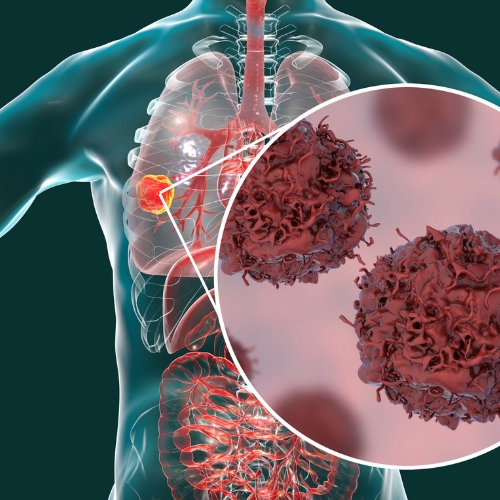
This is the most common type of lung cancer, accounting for about 85% of cases. NSCLC is further divided into subtypes, including adenocarcinoma, squamous cell carcinoma, and large cell carcinoma.
Small Cell Lung Cancer (SCLC)
SCLC is less common but tends to grow and spread rapidly. It is often associated with a history of heavy smoking.
Treatment Options
Chemotherapy
Medications are administered to kill cancer cells throughout the body.
Targeted Therapy
Drugs that specifically target genetic mutations in cancer cells may be used in certain cases.
Radiation Therapy
High-energy radiation is used to target and destroy cancer cells.
Surgery
Surgical removal of the tumor or affected lung tissue is an option for some early-stage cases.
Immunotherapy
These drugs stimulate the immune system to fight cancer.
Palliative Care
This focuses on improving the quality of life for patients with advanced lung cancer by managing symptoms and providing support.