
Types of Soft Tissue Cancer
soft tissue or cell from which the cancer originates. Some of the common types of soft tissue sarcoma include:
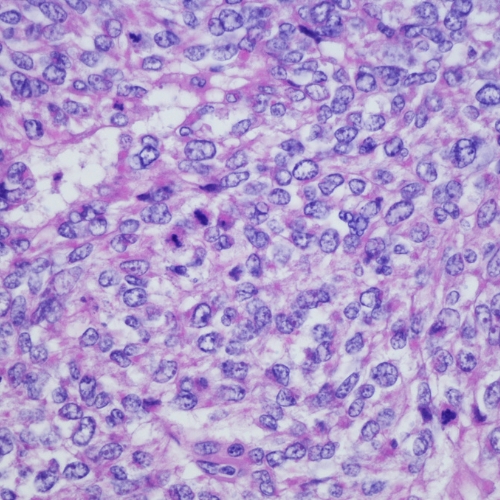
Leiomyosarcoma
This type of soft tissue sarcoma develops in smooth muscle tissue, which is found in the walls of organs like the uterus, stomach, and intestines.
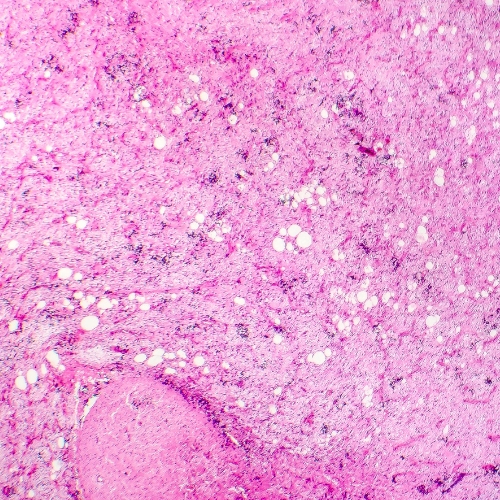
Liposarcoma
Liposarcomas arise from fat cells and can occur in fatty tissues throughout the body, most commonly in the limbs or abdomen.
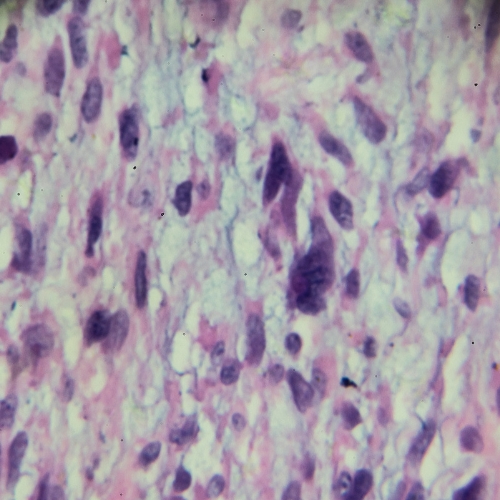
Rhabdomyosarcoma
Rhabdomyosarcoma is a soft tissue cancer that primarily affects skeletal muscle. It is more common in children and adolescents.
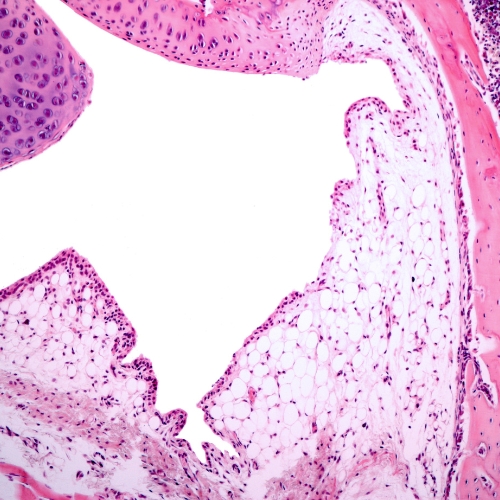
Synovial Sarcoma
This cancer originates in the tissues surrounding joints, such as the knee, ankle, or wrist.
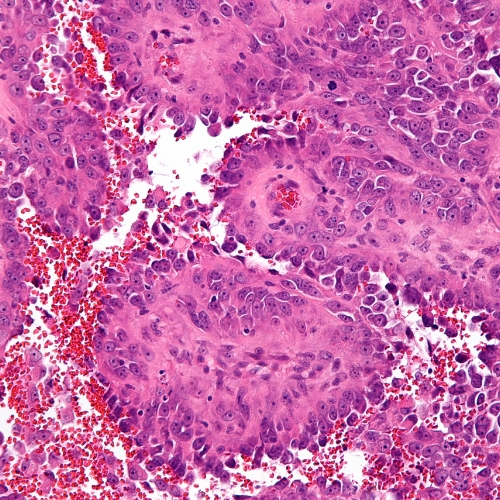
Angiosarcoma
Angiosarcomas develop in the blood vessels or lymphatic vessels. They can occur in various parts of the body, including the skin, breast, or liver.
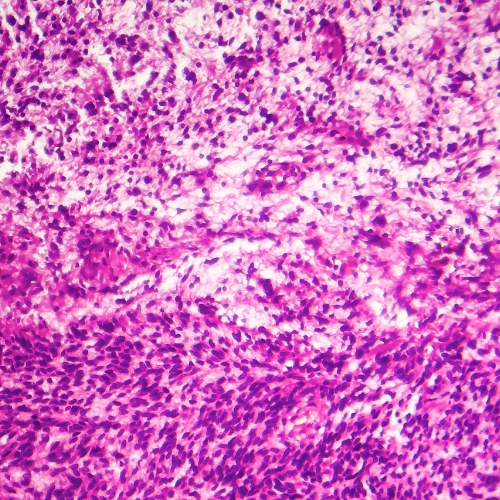
Fibrosarcoma
Fibrosarcomas are derived from fibrous connective tissue and can be found in different parts of the body, including the limbs.
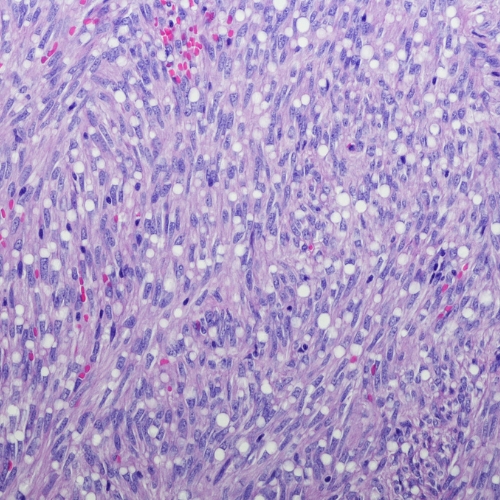
Gastrointestinal Stromal Tumor (GIST)
GIST is a specific soft tissue cancer that arises in the gastrointestinal tract, often in the stomach or small intestine.
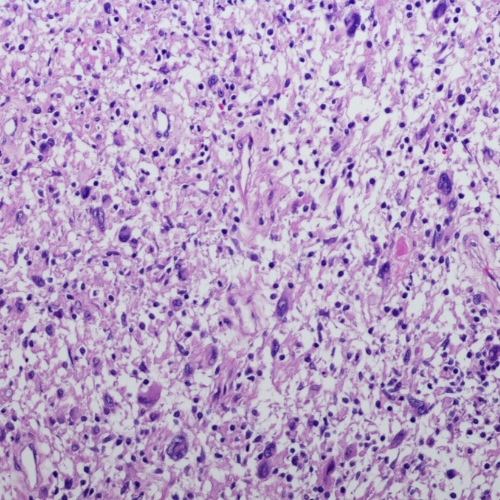
Malignant Peripheral Nerve Sheath Tumor (MPNST)
MPNSTs develop in the tissue that surrounds nerves, which is known as the nerve sheath. They can be associated with neurofibromatosis.

Desmoid Tumor (Aggressive Fibromatosis)
Desmoid tumors are a type of soft tissue tumor that forms in the connective tissue. They are typically benign but can be locally aggressive and invade nearby.
Diagnostic Tests
Diagnosing Soft tissue cancer involves a series of tests. These may include MRI, CT (Computed Tomography) Scan, Ultrasound, physical examinations, blood and urine tests, imaging scans, and biopsies. These tests help oncologists determine the type, stage, and extent of the cancer, aiding in treatment planning.

Treatment Options
Common treatment options include surgery, radiation therapy, chemotherapy, targeted therapy, and immunotherapy.
Chemotherapy
Chemotherapy involves the use of drugs to kill cancer cells or slow their growth. It is less commonly used for soft tissue sarcoma but may be recommended in cases where the cancer has spread to other parts of the body (metastatic disease) or for certain high-grade sarcomas.
Immunotherapy
Immunotherapy aims to stimulate the body's immune system to recognize and attack cancer cells. While it is not a primary treatment for soft tissue sarcoma, ongoing research is exploring its potential in combination with other therapies.
Targeted Therapy
Some soft tissue sarcomas have specific genetic alterations or mutations that can be targeted with precision medicines. Targeted therapy aims to interfere with the specific molecules or pathways that drive the growth of cancer cells. It is an option for certain subtypes of soft tissue sarcoma.
Radiation Therapy
Radiation therapy uses high-energy beams to target and destroy cancer cells. It can be used before surgery to shrink the tumor, after surgery to eliminate remaining cancer cells, or as the primary treatment when surgery is not possible. Radiation therapy is often used in combination with surgery to improve local control of the disease.
Surgery
Surgical removal of the tumor is often the primary treatment for soft tissue sarcoma. The goal is to remove the cancerous tissue with a margin of healthy tissue to reduce the risk of recurrence. In some cases, limb-sparing surgery may be an option to preserve function and appearance while effectively removing the tumor. For tumors in difficult locations, extensive surgery may be required.