

फेफड़े का कैंसर लक्षण, कारण और उपचार
November 27, 2024
Soft tissue sarcoma: symptoms and causes | Dr. NA Siddiqui
December 17, 2024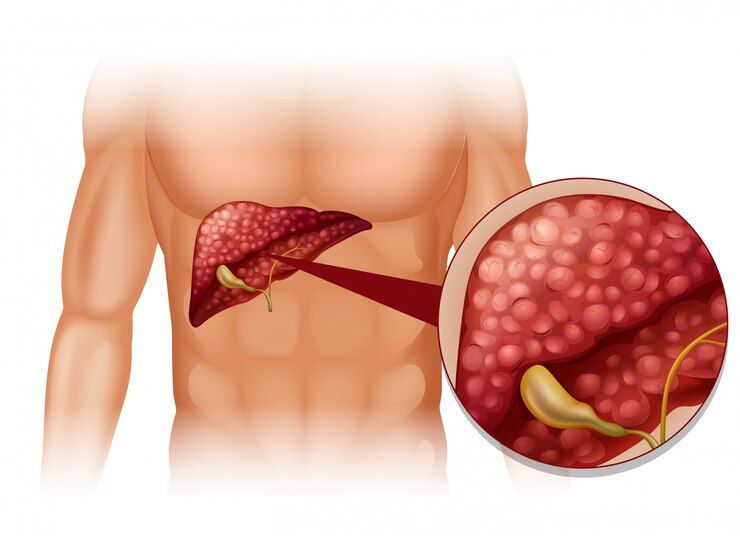
Liver cancer is a condition where abnormal cells grow uncontrollably in the liver, a vital organ responsible for filtering blood, producing bile, and storing nutrients. It is one of the leading causes of cancer-related deaths worldwide. Liver cancer can be primary (starting in the liver) or secondary (metastasized from other parts of the body).
Types of Primary Liver Cancer
- Hepatocellular carcinoma (HCC): The most common type, originating in liver cells (hepatocytes).
- Intrahepatic cholangiocarcinoma (Bile duct cancer): Cancer of the bile ducts inside the liver.
- Angiosarcoma and hemangiosarcoma: Rare cancers of the liver’s blood vessels.
- Hepatoblastoma: A rare liver cancer primarily affecting children.
Symptoms
Liver cancer symptoms may not appear in the early stages. As the disease progresses, symptoms may include:
- Unexplained weight loss.
- Loss of appetite.
- Abdominal pain or swelling.
- Nausea and vomiting.
- Jaundice (yellowing of skin and eyes).
- Fatigue and weakness.
- Itchy skin.
- Dark-colored urine and pale stools.
Causes and Risk Factors
Liver cancer is linked to various factors, including:
Causes:
- Chronic liver diseases: Conditions like hepatitis B (HBV) and hepatitis C (HCV).
- Cirrhosis: Scarring of the liver tissue due to alcohol abuse, fatty liver disease, or chronic infections.
- Aflatoxin exposure: Consumption of food contaminated by molds producing aflatoxin.
- Inherited liver diseases: Such as hemochromatosis (excess iron in the body).
Risk Factors:
- Excessive alcohol consumption.
- Obesity and nonalcoholic fatty liver disease (NAFLD).
- Diabetes.
- Smoking.
- Exposure to industrial chemicals.
- Family history of liver cancer.
Diagnosis
Early detection is crucial for effective treatment. Common diagnostic methods include:
- Imaging tests:
- Ultrasound: Detects abnormalities in the liver.
- CT scan or MRI: Detailed imaging to locate and assess the tumor.
- Blood tests:
- Alpha-fetoprotein (AFP): High levels in the blood may indicate liver cancer.
- Liver biopsy:
- A sample of liver tissue is taken and analyzed to confirm the diagnosis.
- Liver function tests (LFTs):
- Evaluate the liver’s ability to function properly.
Treatment
The treatment of liver cancer depends on its type, stage, and overall liver function. Common treatments include:
1. Surgery:
- Liver resection: Removing the part of the liver affected by cancer.
- Liver transplant: Replacing the diseased liver with a healthy one from a donor (for select cases).
2. Localized Therapies:
- Ablation therapy: Destroying cancer cells using heat (radiofrequency ablation) or cold (cryoablation).
- Embolization: Blocking blood flow to the tumor to starve it of nutrients (TACE or radioembolization).
3. Targeted Therapy:
- Drugs like sorafenib and lenvatinib that target specific proteins or pathways in cancer cells.
4. Immunotherapy:
- Boosting the immune system to fight cancer (e.g., nivolumab, atezolizumab).
5. Chemotherapy:
- Use of cancer-killing drugs, though less effective for liver cancer compared to other therapies.
6. Radiation Therapy:
- High-energy beams target and kill cancer cells. Often used for advanced cases or symptom relief.
Prevention
To reduce the risk of liver cancer:
- Vaccinate against hepatitis B and screen for hepatitis C if at risk.
- Limit alcohol consumption and avoid smoking.
- Maintain a healthy weight and control diabetes.
- Eat a healthy diet, avoiding aflatoxin-contaminated food (e.g., moldy grains or nuts).
- Regular screening for those with chronic liver diseases or cirrhosis.
Prognosis
- Early-stage liver cancer treated with surgery or transplant offers the best outcomes, with a 5-year survival rate of 50%-70%.
- Advanced or metastatic liver cancer has a poor prognosis, but new therapies like targeted and immunotherapy are improving survival rates.
When to See a Doctor
Seek medical attention if you notice persistent symptoms like abdominal pain, jaundice, or unexplained weight loss. Early diagnosis significantly increases the chances of successful treatment.