
Comprehensive Care for Liver Cancer: Find the Right Specialist | Dr. NA Siddiqui
December 15, 2024
Prostate Cancer Expertise by Dr N.A. Siddiqui
January 9, 2025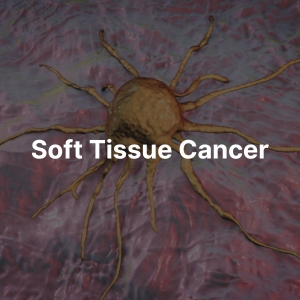
Definition Soft tissue sarcoma refers to a rare type of cancer that originates in the soft tissues of the body. Soft tissues include muscles, fat, blood vessels, nerves, tendons, and the lining of joints. This form of cancer can occur anywhere in the body but is most common in the arms, legs, abdomen, and chest.
Types of Soft Tissue Sarcomas There are over 50 types of soft tissue sarcomas, classified based on the type of soft tissue where the cancer begins. Common types include:
- Liposarcoma: Originates in fatty tissue.
- Leiomyosarcoma: Develops in smooth muscle tissue.
- Rhabdomyosarcoma: Affects skeletal muscle tissue.
- Angiosarcoma: Arises in blood vessels or lymph vessels.
- Synovial Sarcoma: Occurs in the tissue around joints.
- Gastrointestinal Stromal Tumors (GISTs): Develop in the digestive system.
Causes and Risk Factors The exact cause of soft tissue sarcoma is often unknown. However, certain factors can increase the risk, including:
- Genetic Conditions: Conditions such as Li-Fraumeni syndrome, neurofibromatosis type 1, and retinoblastoma increase the risk.
- Radiation Exposure: Previous radiation therapy for other cancers.
- Chemical Exposure: Long-term exposure to industrial chemicals like herbicides, arsenic, and dioxins.
- Lymphedema: Chronic swelling of lymphatic tissue may increase the risk.
Symptoms Symptoms of soft tissue sarcoma may not appear in the early stages. As the tumor grows, symptoms may include:
- A noticeable lump or swelling that may or may not be painful.
- Abdominal pain or bloating (if the tumor is in the abdomen).
- Limited range of motion (if the tumor is near a joint).
- Nerve pain or weakness.
- Unexplained weight loss.
- Fatigue.
Diagnosis Diagnosing soft tissue sarcoma involves a combination of imaging, biopsy, and pathology studies:
- Physical Examination: To assess lumps or abnormalities.
- Imaging Tests: MRI, CT scans, PET scans, and X-rays help locate and determine the size of the tumor.
- Biopsy: Removal of a small tissue sample to confirm cancer type.
- Molecular Testing: Detects genetic mutations in tumor cells to guide treatment.
Staging Soft tissue sarcoma is staged based on the tumor size, depth, grade, and whether it has spread (metastasized):
- Stage I: Low-grade tumors that have not spread.
- Stage II/III: High-grade tumors with potential or local spread.
- Stage IV: Cancer has spread to distant parts of the body.
Treatment Options Treatment depends on the type, location, size, and stage of the tumor. Common approaches include:
- Surgery: The primary treatment to remove the tumor with a margin of healthy tissue.
- Radiation Therapy: Often used before or after surgery to reduce the tumor size or prevent recurrence.
- Chemotherapy: Used in high-grade sarcomas or advanced-stage cancer to kill or shrink cancer cells.
- Targeted Therapy: Focuses on specific mutations or proteins in the cancer cells, such as in GISTs.
- Immunotherapy: Helps boost the immune system to fight cancer cells.
Prognosis The prognosis of soft tissue sarcoma depends on:
- The tumor’s size, grade, and location.
- Whether the cancer has spread.
- The patient’s overall health and response to treatment.
Prevention and Early Detection While soft tissue sarcoma cannot always be prevented, individuals at high risk should:
- Seek regular medical checkups.
- Avoid unnecessary radiation exposure.
- Monitor any unusual lumps or persistent symptoms and consult a doctor promptly.
Conclusion Soft tissue sarcoma, though rare, is a serious condition that requires timely diagnosis and multidisciplinary treatment. Advances in surgical techniques, radiation, and targeted therapies have significantly improved outcomes for patients. Early detection and awareness remain critical to managing and treating this disease effectively.